Bathroom Cleaning Guide for Kenyan Homes
13 October 2026 · 4 min read · How-To Guides
Introduction
Welcome to Cottlink Kenya’s cleaning blog! Today, we’re diving into one of the most essential yet daunting tasks in any household: bathroom cleaning. A sparkling clean bathroom not only looks and smells fresh but also promotes good health and hygiene. Let’s explore effective techniques, essential tools, and natural cleaning solutions to make your bathroom shine.
Step-by-Step Bathroom Cleaning Guide
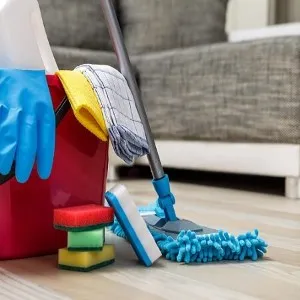
- Gather Your Supplies
- Clear the Clutter
- Remove all items from the countertops, shower, and tub. This includes toiletries, towels, and decorative items.
- Place them in a separate area for easy reorganization after cleaning.
- Dust and Sweep
- Dust light fixtures, vents, and corners with a microfiber cloth or a duster.
- Sweep the floor to remove loose dirt and hair.
- Clean the Shower and Bathtub
- Spray and Soak: Apply your chosen cleaner to the shower walls, doors, and bathtub. Let it sit for 10-15 minutes to break down soap scum and grime.
- Scrub: Use a scrub brush or sponge to clean the surfaces, paying extra attention to grout lines and fixtures.
- Rinse: Rinse thoroughly with warm water and dry with a microfiber cloth or squeegee.
- Tackle the Toilet
- Bowl: Apply toilet cleaner under the rim and let it sit for 10 minutes. Scrub with a toilet brush and flush.
- Exterior: Wipe down the tank, seat, and base with a disinfectant wipe or a cloth soaked in a vinegar solution.
- Clean the Sink and Countertop
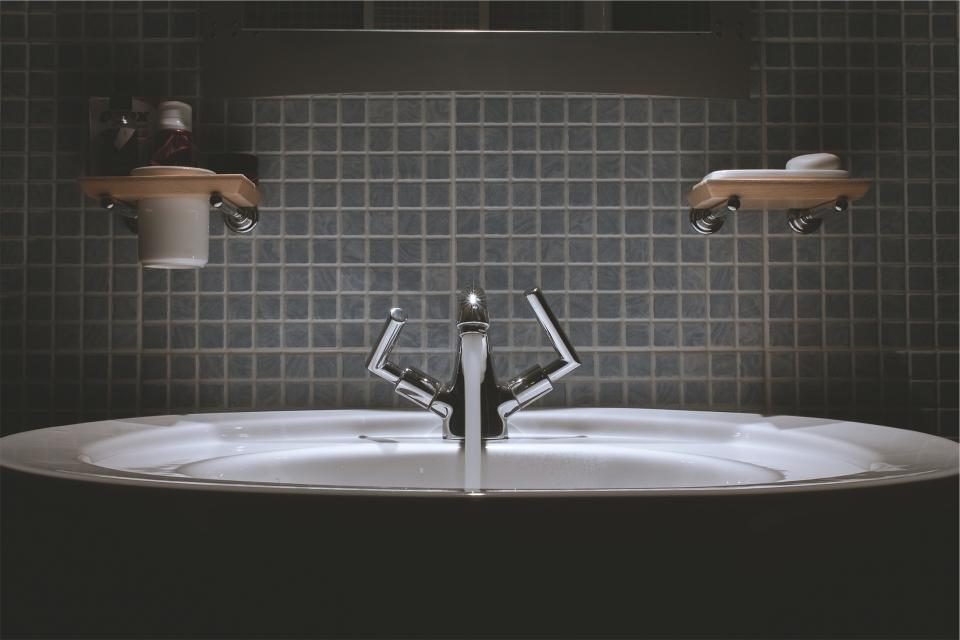
- Spray and Wipe: Spray the sink and countertop with cleaner. Wipe down faucets, handles, and any soap dispensers.
- Unclog the Drain: Pour a mixture of baking soda and vinegar down the drain, followed by hot water to clear any blockages.
- Mirror and Glass Surfaces
- Use a glass cleaner or a mixture of vinegar and water to clean mirrors and glass shower doors. Wipe with a lint-free cloth for a streak-free shine.
- Floor Cleaning
- Mop: Mop the floor with a suitable floor cleaner or a mixture of warm water and a few drops of dish soap. Ensure you reach the corners and edges.
- Dry: Allow the floor to air dry or use a clean, dry mop to speed up the process.
- Final Touches
- Replace items on countertops and in the shower, ensuring they are clean and organized.
- Change towels and mats, and add a fresh touch with a scented candle or an air freshener.
Natural Cleaning Solutions
For those who prefer eco-friendly options, here are some natural cleaning solutions:
- Vinegar and Baking Soda: A powerful combination for tackling tough stains and soap scum.
- Lemon Juice: Great for removing hard water stains and adding a fresh scent.
- Hydrogen Peroxide: An excellent disinfectant that can be used on most surfaces.
Tips for Maintaining a Clean Bathroom
- Daily Wipe-Down: Keep a microfiber cloth handy to wipe down surfaces daily.
- Ventilation: Use an exhaust fan or open a window to reduce moisture buildup.
- Regular Decluttering: Regularly remove items you no longer use to keep the space tidy.
Conclusion
A clean bathroom not only enhances the aesthetic of your home but also ensures a healthy environment for you and your family. With the right tools, techniques, and a bit of elbow grease, you can achieve a spotless bathroom effortlessly. Keep visiting Cottlink Kenya for more cleaning tips and tricks!
Happy Cleaning!
Related reading: DIY Natural Cleaning Products: Recipes for Homemade Cleaning Products That Are Effective, Non-Toxic, and Easy to Make and Spring Cleaning Guide: A Step-by-Step Approach to Tackle the Seasonal Cleaning of Your Home
Dealing with common Kenyan bathroom problems
Hard water and limescale
In many parts of Kenya, especially areas supplied by borehole water, minerals leave white or brown deposits on taps, showerheads, tiles and glass. Wipe surfaces dry after use to slow the buildup. To remove existing deposits, soak a cloth in white vinegar and wrap it around the tap or showerhead for half an hour, then scrub gently and rinse. Avoid using vinegar on natural stone, which acid can damage.
Mould and mildew
Bathrooms with small windows or no extractor fan often develop black mould on grout, ceilings and around the shower. Improve airflow by opening the window after showers and leaving the door open when the room is not in use. For existing mould, scrub with a suitable cleaner or a hydrogen peroxide solution, rinse and dry. Persistent mould, or damp patches that keep coming back, may point to a leak or poor ventilation that needs a plumber or builder.
Stored water containers
Where water supply is unreliable, many households store water in buckets, drums or tanks in the bathroom. Keep containers covered, clean them regularly with soap and water, and rinse them well before refilling. Stagnant water can breed mosquitoes and bacteria, so empty and refresh stored water often.
Blocked drains
Hair, soap and debris are the most common causes of slow drains. A drain cover catches hair before it enters the pipe. Regular flushing with hot water helps, along with the baking soda and vinegar method above. If water still drains slowly, call a plumber rather than using harsh chemicals repeatedly, which can damage pipes.
Cleaning safety
Never mix bleach with vinegar, ammonia or other cleaners, as this can release harmful gases. Use one product at a time and rinse surfaces between products. Wear gloves when using strong cleaners, keep the room ventilated, and store all cleaning products out of reach of children.
A simple bathroom cleaning schedule
- Daily: wipe the sink and counter, squeegee the shower, and hang towels to dry.
- Weekly: clean the toilet, shower, sink, mirror and floor thoroughly.
- Monthly: descale taps and showerheads, wash shower curtains and bath mats, and clean grout.
- Every few months: check for leaks, damaged sealant and signs of damp.
For an even deeper clean of the toilet itself, read the guide to cleaning your toilet seat.